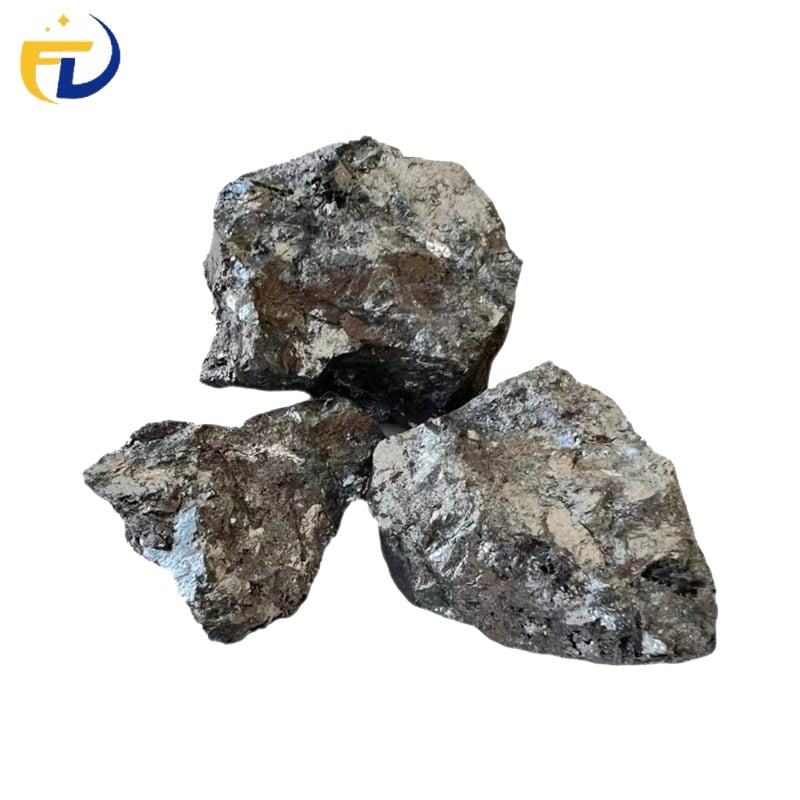
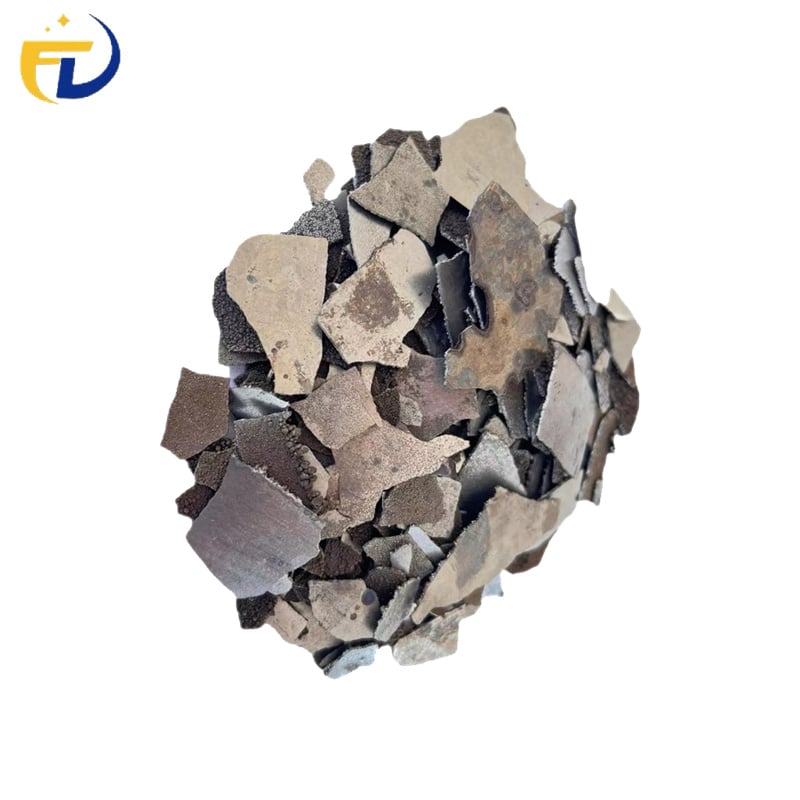
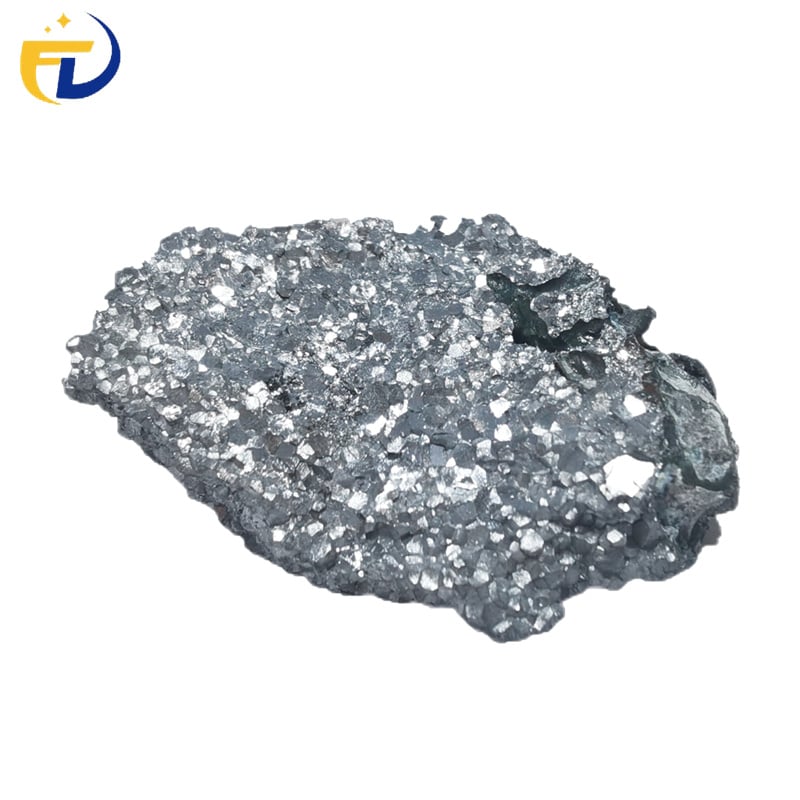
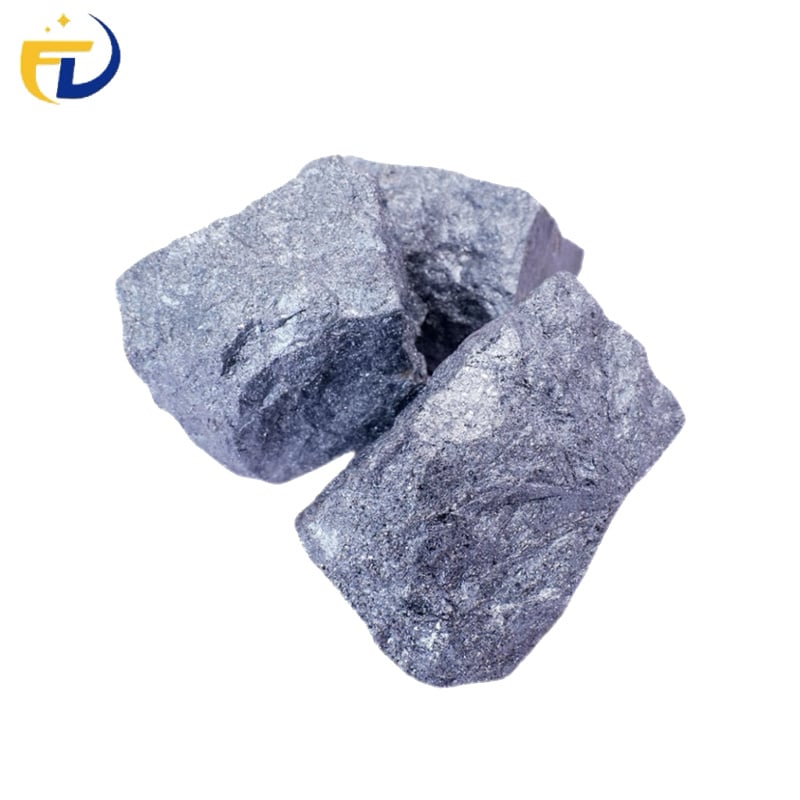
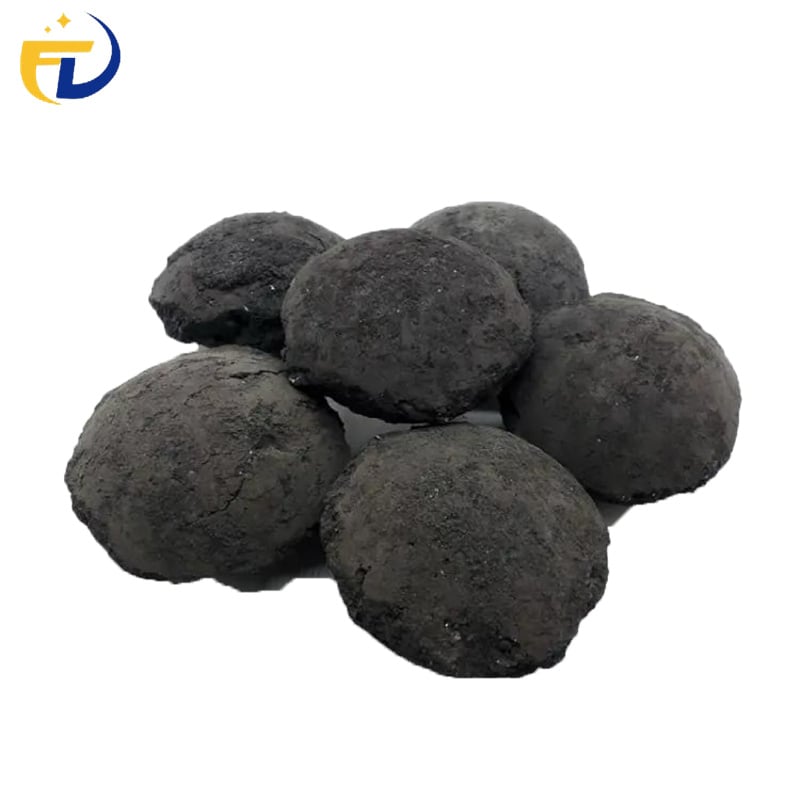
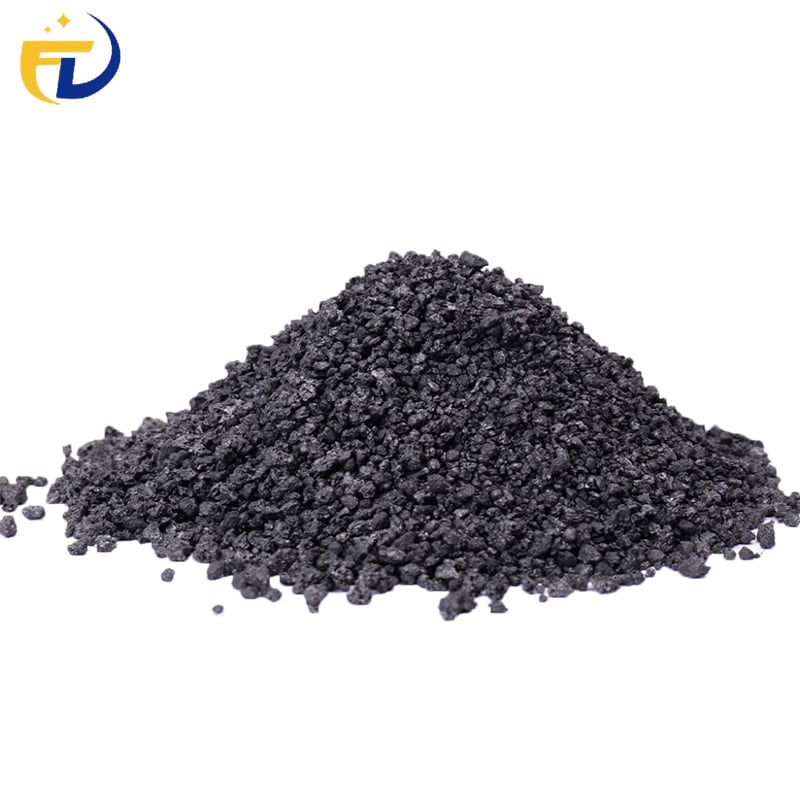
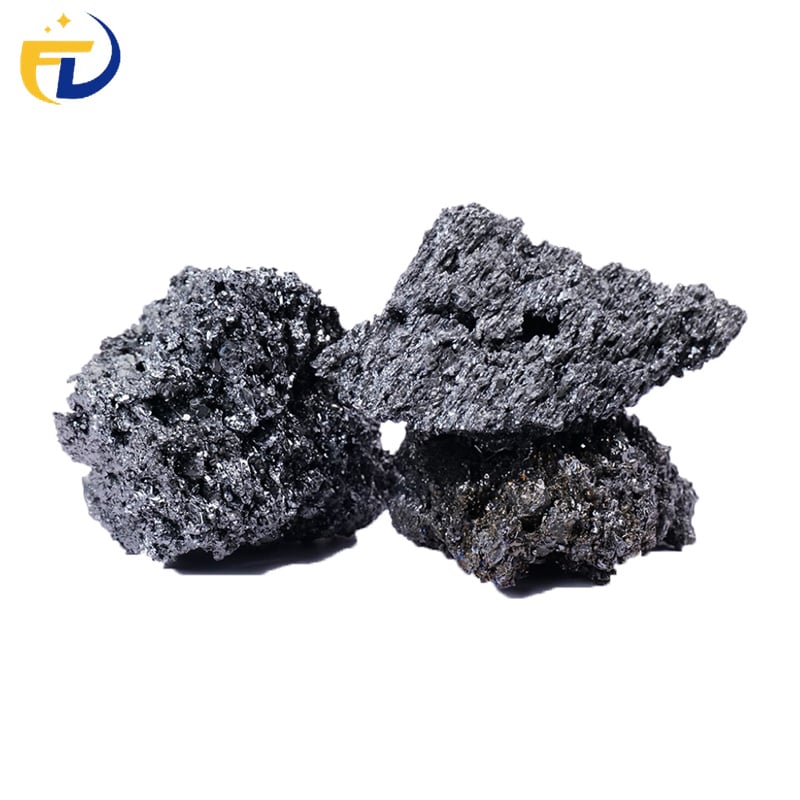
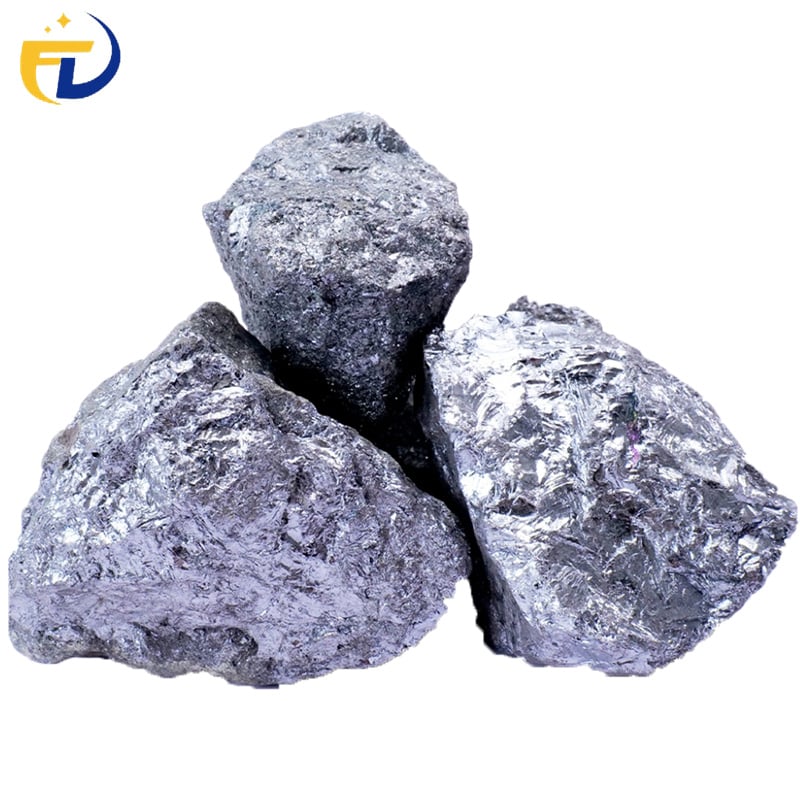
Masovni feroraliji su također ključni u stvaranju jake ocele i drugih alija. Oni su obilni i koriste se u brojnim industrijama za izradu širokog raspona proizvoda. Postoji mnogo vrsta feroralija poput ferrosilicija, ferromanganija itd., koji se koriste za posebne funkcije. Masovni Feroraliji Pročitajte i saznajte više o masovnim feroralijima i kako se izrađuju!
Masovne ferrosplave su vrsta praškastog materijala s više metala, kao što je željezo uz druga metale poput kremnija, mangana ili hromija. Proizvode se u velikim pećama gdje se ova metala topi u čvrstu splavu. Ti splavi zatim dodaju čeliku kako bi mu dali posebna svojstva. Na primjer, ferokremnij čini čelik jačim i otpornijim na rođu, dok feromangan pomaže u čišćenju čelika. Bez ferrosplava, čelik ne bi bio tako jak i pouzdan.
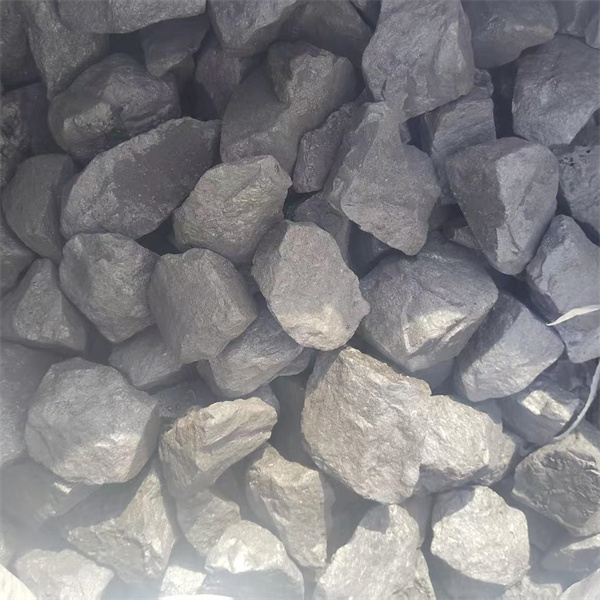
Dodavanje najbolja kvaliteta ferokroma u proces proizvodnje čelika i legura je prednost. Prvo, koriste se za proizvodnju jačeg čelika i za činjenje da čelik bolje izdrži oštećenja. To znači da će proizvodi koji koriste taj čelik – kao što su automobili i zgrade – trajati duže i biti sigurniji. Drugo, ferrolegure dodaju fleksibilnost i mogućnost oblikovanja. To je važno za gradnju mnogih stvari, od ručkova za tava i patlaje do čak i mostova. Općenito, masovne ferrolegure omogućuju nam da proizvedemo visokokvalitne proizvode na koje se svakodnevno oslanjamo.
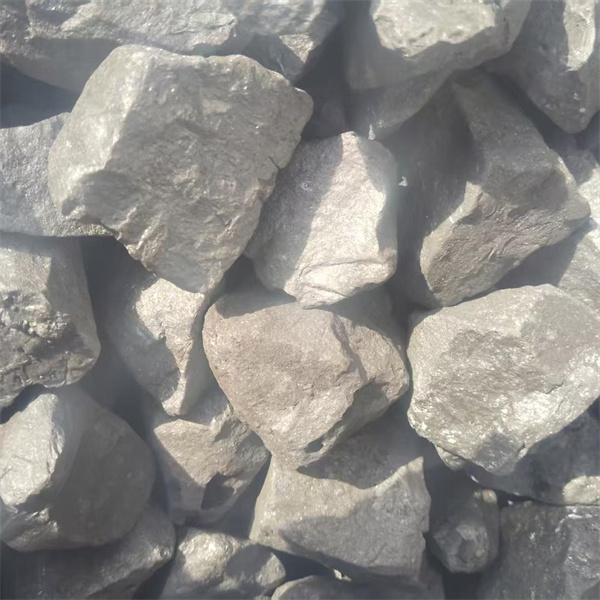
Masovne ferrolegure postoje u mnogim oblicima, svaki sa svojim jedinstvenim osobinama. Ferrosilicij je koristen u proizvodnji nerđavnog čelika, koji se ne roži i odličan je za kuhinjsku opremu. Jači čelik za građevinarstvo i mašine proizvodi se dodavanjem ferromanganu. Sijajuci, otporni na šupljenje, hromirani čelik izrađuje se procesom hromiranja koji spaja tanku sloju hroma na čeličnu podlogu. To su samo neke od mnogobrojnih vrsta masovnih ferrolegura i načina njihove upotrebe u raznim industrijskim granama.
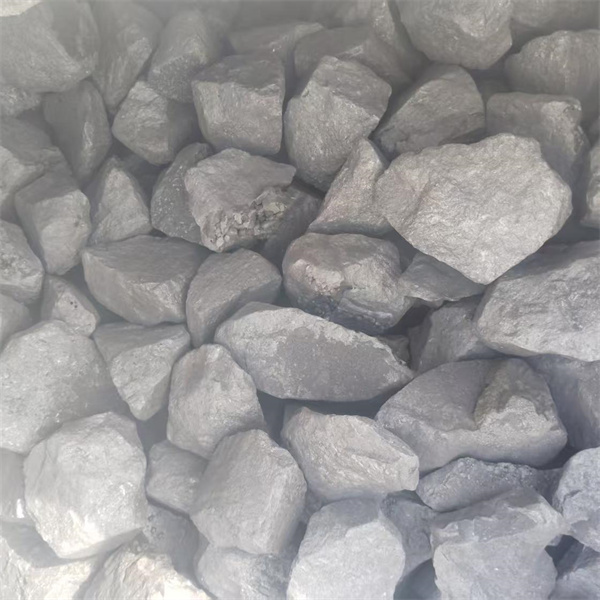
Masovni feroraliji počinju s rudarenjem željezne rudi i uglja. Ove se materijale topi u pećini kako bi se formirao alij. Nakon što se smjesa pripremi, rezultirajući alij se hladiti i odliti u velike blokove koji se zovu masovni feroraliji. Blokovi su onda preneseni u tvornice čelika i alija gdje se kombiniraju s tečnim metalom. Ložistika povezana s dostavljanjem masovnih feroralija na različita mjesta širom svijeta je malo ložistički noćmar (vidite što sam napravio tu) za razne industrije.
Uvođamo strogu kontrolu kvalitete kroz internno testiranje elemenata i podržavamo inspekcije trećih strana (SGS, BV, AHK), osiguravajući da naši proizvodi ispunjavaju međunarodne standarde čistoće i učinkovitosti.
Nudimo personalizirana metalurška rješenja prilagođena potrebama klijenata, uz jamstvo od 1 sata odgovora putem više kanala (WhatsApp, WeChat, Email) i posvećeno rješavanje problema tijekom cijelog životnog ciklusa projekta.
Naša tvornica površine 120.000 kvadratnih metara opremljena je električnim pećnicama za rafiniranje legura od 26.300 KVA i 8 pećnica srednje frekvencije, osiguravajući robusne proizvodne mogućnosti za različite metalurške proizvode, uključujući ferosilikon i ferokrom s niskim udjelom ugljika.
S više od 20 godina izvoznog iskustva, uspješno smo služili tržištima u Južnoj Koreji, Japanu, Njemačkoj, Turskoj, Rusiji i šire, pružajući pravovremenu isporuku, snažna logistička partnerstva i pouzdanu podršku nakon prodaje.

 EN
EN