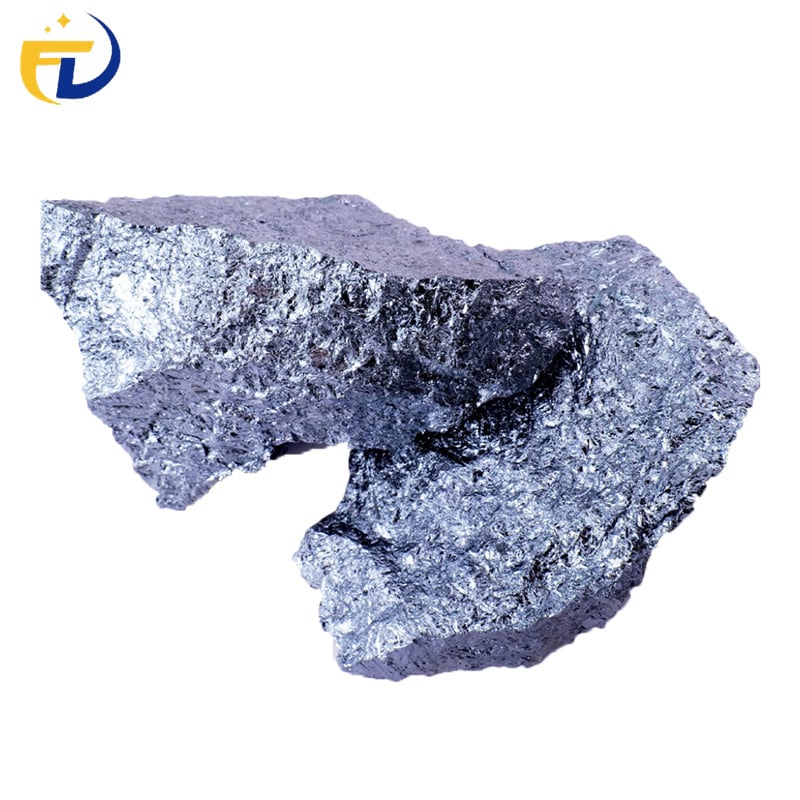
węgla stopowego. Jednym z kluczowych czynników jest podaż i popyt na rynku. ...">
Ferroligatury są kluczowymi składnikami w produkcji stali i innych metali. Wiele czynników może wpływać na węgiel stopowy fluktuację. Jednym z kluczowych czynników jest podaż i popyt na rynku. Kiedy wiele osób chce ferroligatur, a ich ilości nie wystarczają, ceny rosną. Ale kiedy jest ich dużo, a mało osób je chce, ceny mogą spadać.
Innymi czynnikami, które mogą wpływać na ceny ferroligatur, są ceny surowców, energii i transportu. Na przykład, jeśli zwiększy się cena surowców potrzebnych do produkcji ferroligatur, prawdopodobnie wzrośnie również ich cena. W podobny sposób, wzrost cen energii oraz kosztów transportowych może prowadzić do podwyżek cen ferroligatur.
Dla tych, którzy zajmują się biznesem ferroligaturnym, umiejętność dobrego zarządzania cenami jest kluczowa do zarabiania pieniędzy. Jedna przydatna rada: Monitoruj trendy rynkowe w poszukiwaniu sygnałów o tym, co może wpłynąć na ceny. Obserwacja bieżących danych dotyczących podaży, popytu i innych czynników może pomóc firmom w podejmowaniu lepszych decyzji cenowych, powiedzieli oni.
Jest również kluczowe, aby firmy regularnie monitorowały swoje koszty produkcji i inne wydatki pokrywające, aby utrzymać odpowiedni poziom konkurencyjności cenowej. Przy pomocy kontroli kosztów i efektywności firmy mogą utrzymywać stabilne ceny i znaleźć więcej klientów.
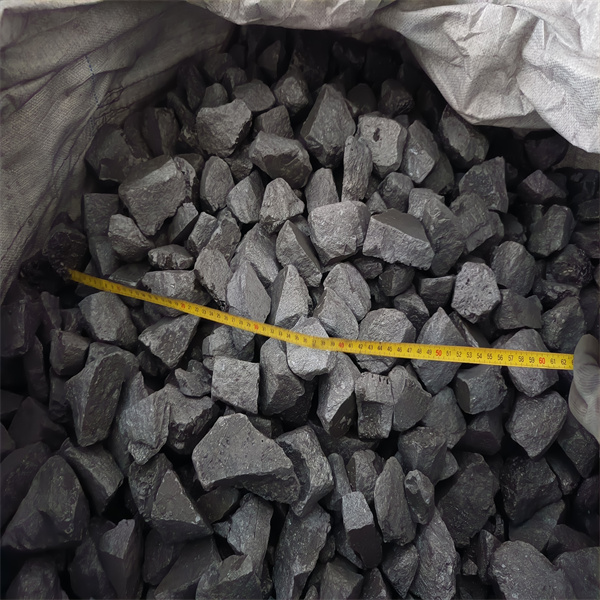
Cena ferroligatur jest również wpływowana przez globalne trendy. Na przykład, gospodarka w dużych krajach produkujących stal może zmienić ilość wymaganych ferroligatur, co może wpłynąć na ich cenę. Ceny ferroligatur mogą być również wpływowane przez zmiany w regulacjach handlowych, wartościach walut lub wydarzeniach światowych.
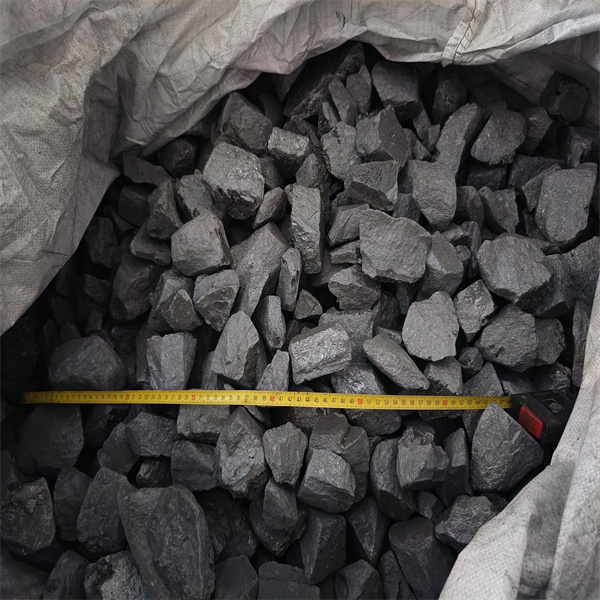
Ponadto, dzięki nowym technologiom i rozwojowi przemysłu stali, można znaleźć nowe zastosowania ferroligatur, co może wygenerować popyt i ostatecznie podwyżki cenowe. Przez śledzenie najnowszych globalnych trendów i zmian na rynku, przedsiębiorstwa ferroligatowe mogą dokonywać bardziej dokładnych dostosowań ceny i popytu.
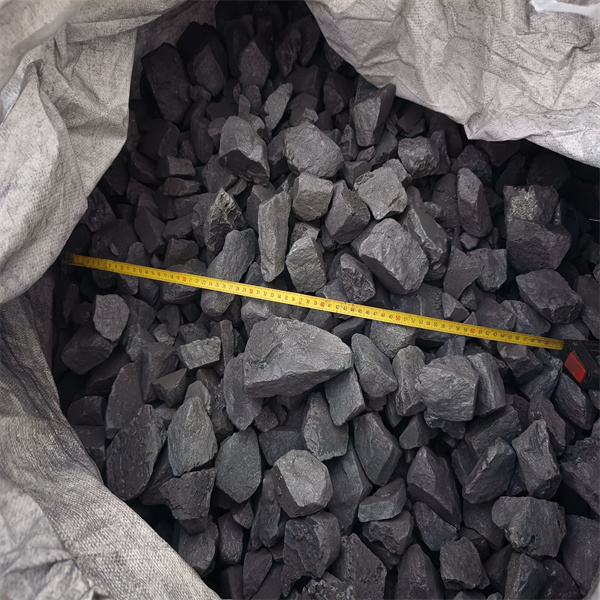
Konkurencyjne ceny są kluczowe dla graczy w przemyśle ferroligatur, aby pozostać konkurencyjnymi i nawiązać kontakt z potencjalnymi klientami. Innym dobrym sposobem na targowanie się jest wykorzystanie wartości towarów, które oferujesz. Skupiając się na swojej specjalizacji i wyjaśniając jakość oraz zalety twoich ferroligatur, możesz wyjaśnić, dlaczego Twoje ceny są rozsądne i lepsze niż u innych.
Wdrażamy rygorystyczną kontrolę jakości poprzez własne badania składu chemicznego oraz umożliwiamy inspekcje niezależne (SGS, BV, AHK), zapewniając zgodność naszych produktów z międzynarodowymi standardami czystości i wydajności.
Dzięki ponad 20-letniemu doświadczeniu w eksporterze, obsłużyliśmy z powodzeniem rynki w Korei Południowej, Japonii, Niemczech, Turcji, Rosji i poza nimi, zapewniając terminową dostawę, silne partnerstwa logistyczne oraz niezawodne wsparcie posprzedażowe.
Nasza fabryka o powierzchni 120 000 metrów kwadratowych jest wyposażona w elektryczne piece do rafinacji stopów o mocy 26 300 KVA oraz 8 pieców średniotoksowych, co gwarantuje solidne możliwości produkcyjne dla różnych produktów metalurgicznych, w tym ferrylu i ferrylu chromu o niskiej zawartości węgla.
Oferujemy spersonalizowane rozwiązania metalurgiczne dostosowane do potrzeb klienta, wsparte gwarancją odpowiedzi w ciągu 1 godziny poprzez wiele kanałów (WhatsApp, WeChat, Email) oraz dedykowanym wsparciem rozwiązywania problemów na każdym etapie realizacji projektu.

 EN
EN